From Awareness to Action: Key Takeaways from Our EDI & Inclusivity Event
4th February 2026
Our recent EDI & Inclusivity event explored a simple but powerful idea: inclusive workplaces aren’t built through intent alone, they’re built through everyday actions, behaviours and decisions.
Across two complementary sessions, speakers shared lived experience, practical insight and leadership challenge, moving the conversation from awareness to action.
Insights from Muslims in Construction
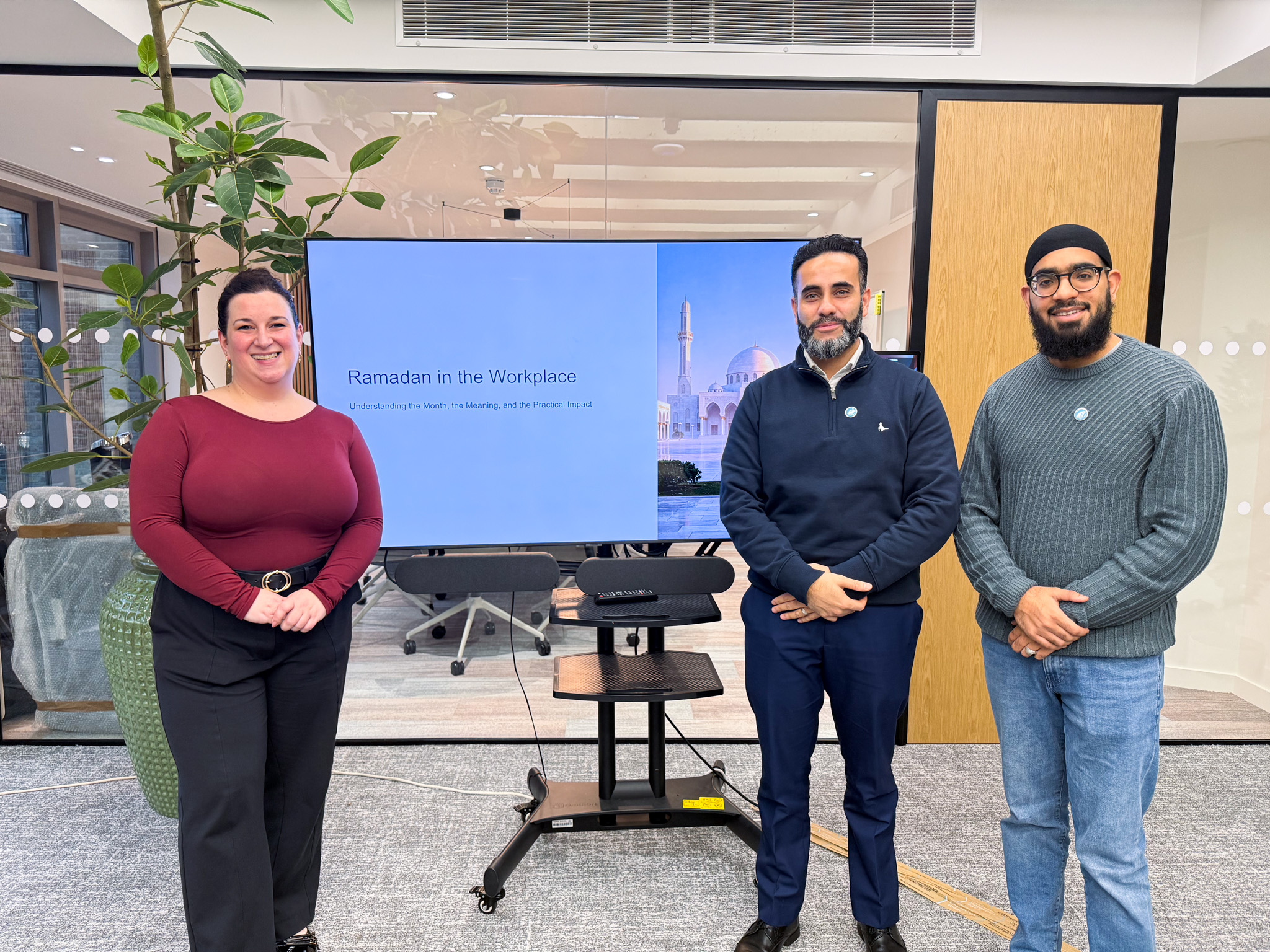
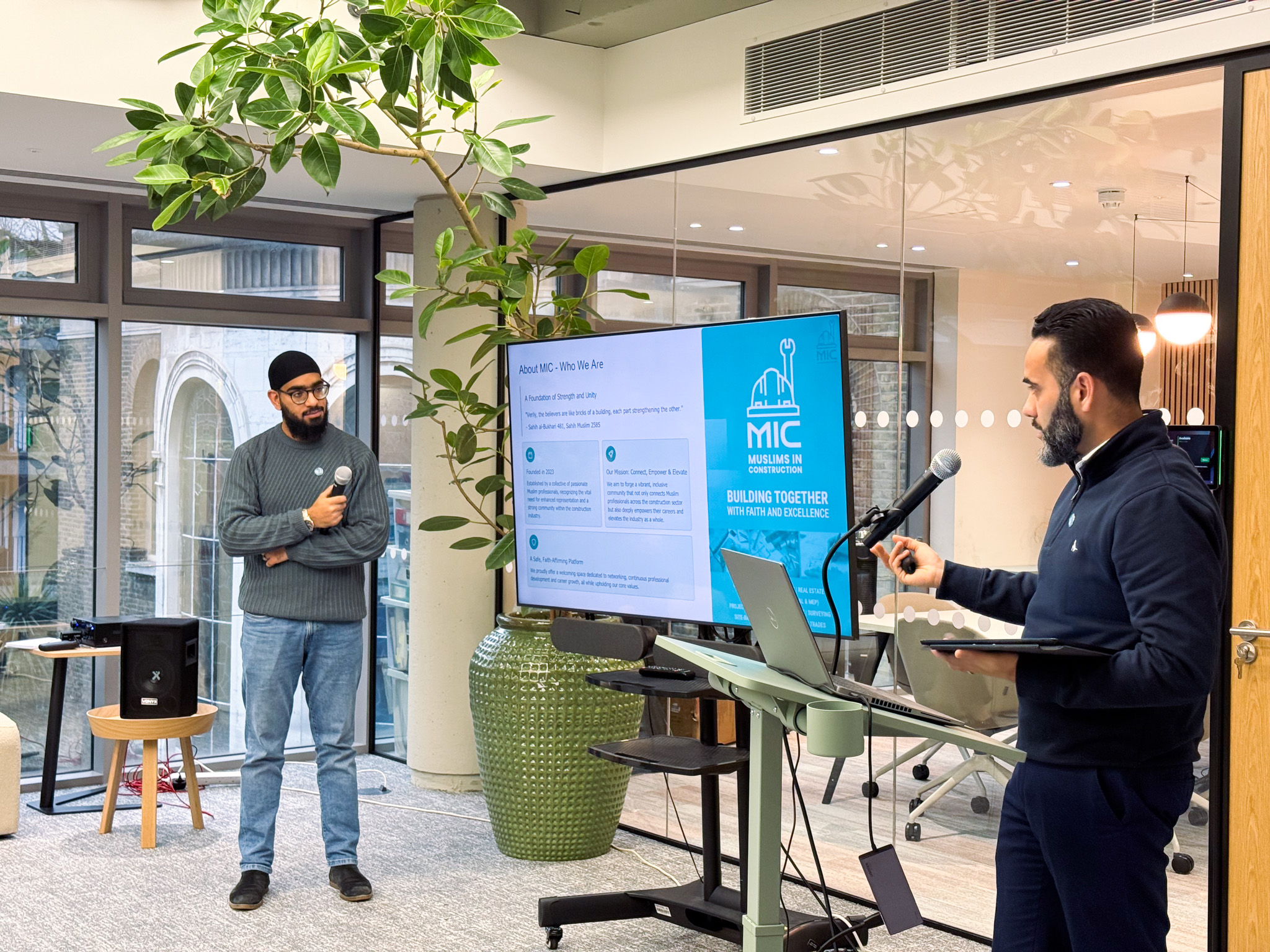
The first half of the event featured speakers from Muslims in Construction, including Habibul Islam and Soulymane Abdulmolla, who focused on what inclusion looks like in real working environments, particularly during Ramadan.
What we learnt:
Inclusion is built through trust, relationships and community at work.
Feeling able to speak openly about needs without fear of judgement is foundational to belonging.
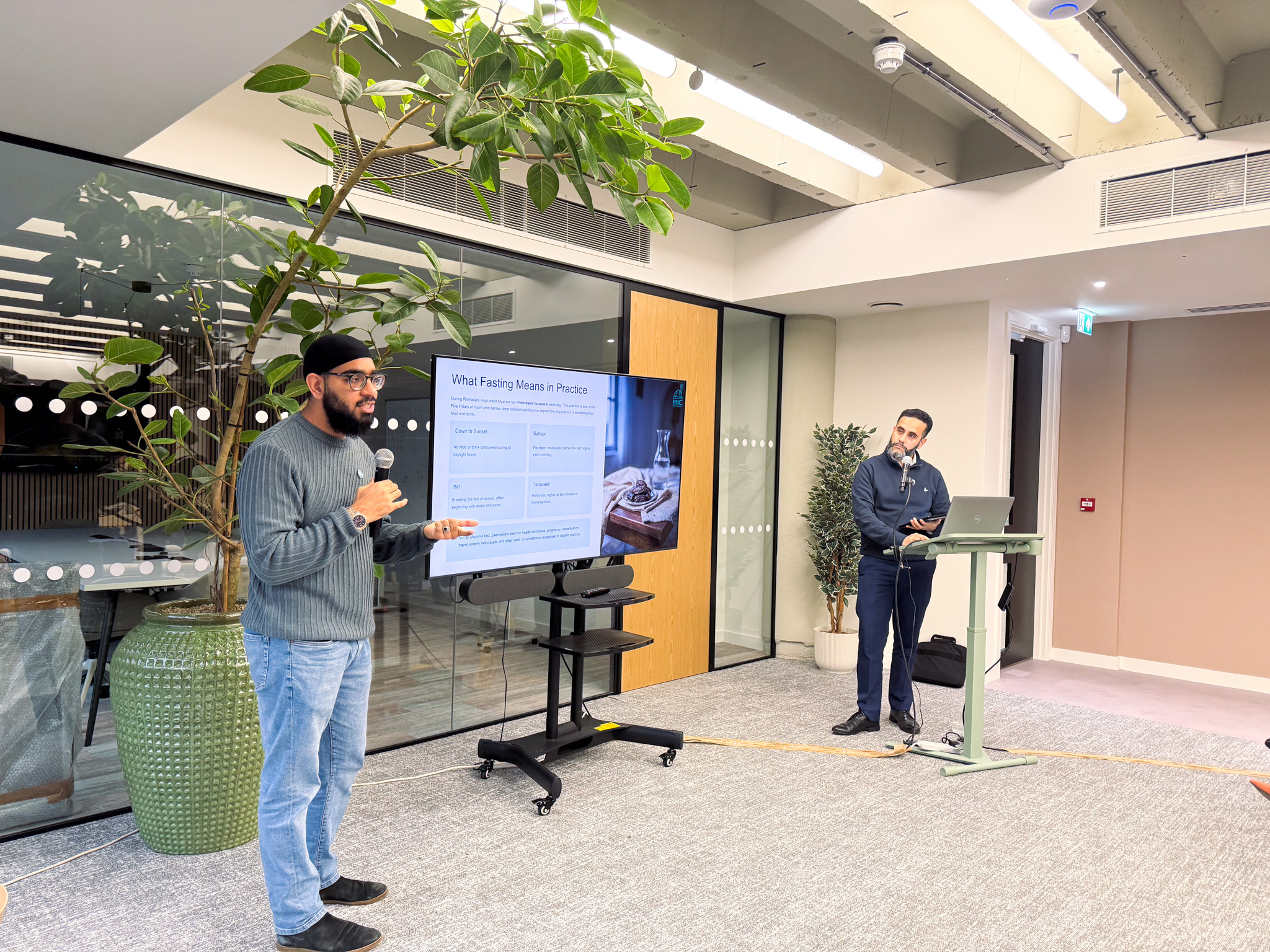
Ramadan has practical impacts that teams should plan for.
Fasting can affect energy, concentration and recovery time, particularly on site. Acknowledging this isn’t about lowering standards. It’s about managing work responsibly.
Support doesn’t need to be complicated.
Small, thoughtful adjustments make the biggest difference: flexibility around breaks
- Sensitivity around meeting times
- Understanding modified lunch routines
- Openness to leave requests
Prayer at work doesn’t need to be misunderstood.
Daily prayer usually takes around five minutes. Simple, respectful consideration such as access to a quiet space.
Eid ul-Fitr is a moment worth recognising.
Marking key celebrations helps build connection and signals respect for colleagues’ identities and beliefs.
Cultural sensitivity delivers real benefits.
When done well, it improves wellbeing, strengthens trust, embeds inclusion into daily practice and supports retention.
This session grounded EDI, showing how inclusion is experienced on site and in offices, not just written into policy.
Inclusion as a Cultural Responsibility
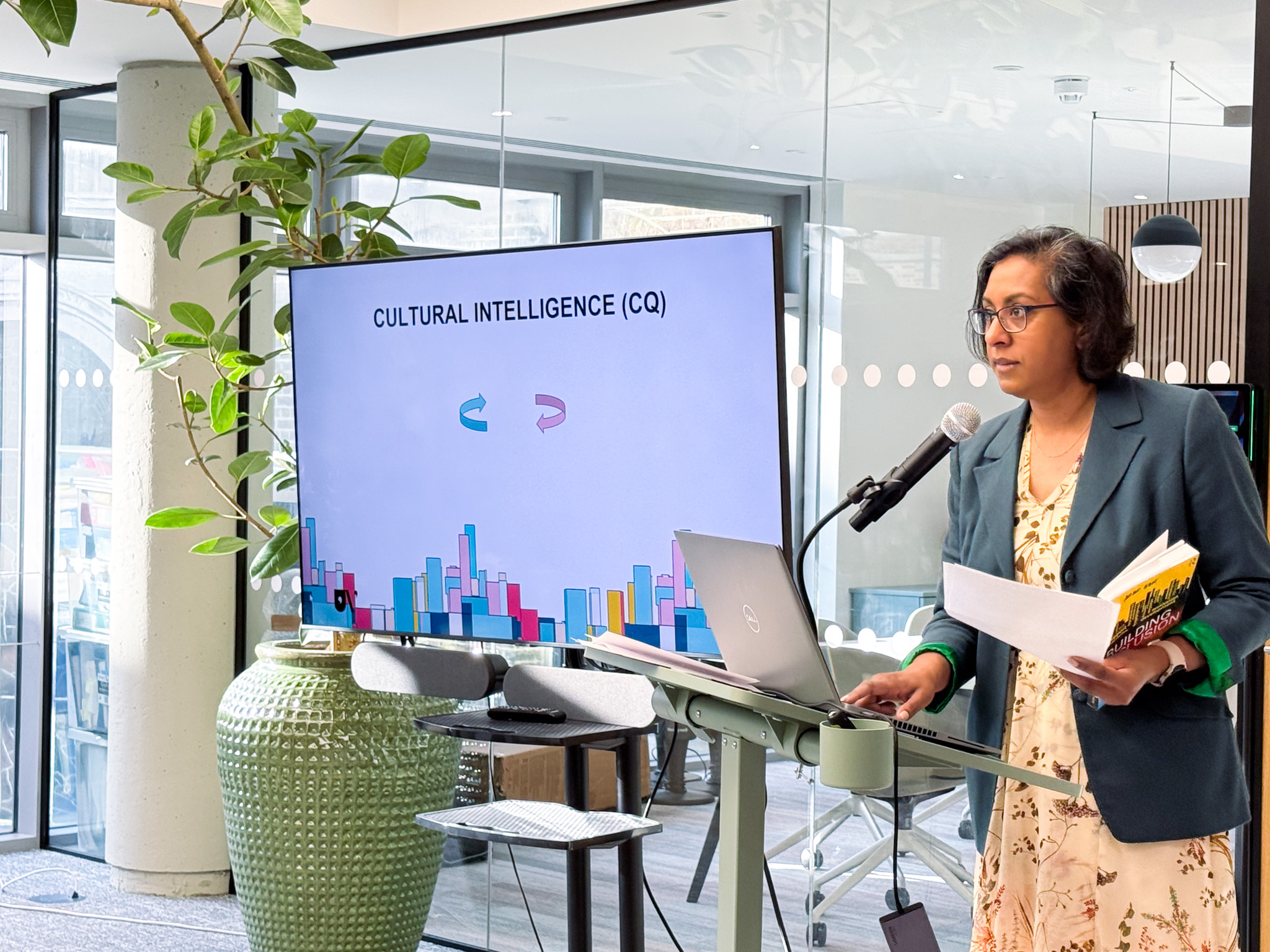
The second half of the event was led by Marsha Ramroop, Inclusion Consultant, founder of Unheard Voice Consultancy Ltd and author of Building Inclusion.
Marsha challenged leaders to think differently about culture, power and responsibility.
Key leadership takeaways:
Culture is never neutral.
Leaders are always shaping culture through the behaviours they model, tolerate or ignore. If inclusion isn’t intentional, exclusion becomes the default.
Bias is human - ignoring it is the risk.
Bias isn’t a personal failing, but an unconscious process. Without active mitigation, it quietly embeds itself into systems, decisions and workplaces.
Inclusion is about behaviour, not labels.
It’s not about categorising people - it’s about asking what we need to do differently so others can thrive.

Policies don’t create culture - behaviour does.
Informal norms often matter more than written procedures. Silence doesn’t mean everything is fine; it often means people don’t feel safe speaking up.
Culture is critical infrastructure.
When culture fails, the cost shows up in safety, engagement, retention and trust. The worst behaviours leaders tolerate become the organisation’s true values.
Cultural intelligence makes inclusion practical.
Inclusion can be learned, measured and improved through motivation, knowledge, reflection and action - turning values into everyday practice.